Blogs Details
Sustainable Materials for Luxury Interior Design
As the world increasingly recognizes the urgent need for sustainability, eco-conscious interior design is emerging as a powerful trend that shapes how we create and inhabit our spaces. This approach transcends mere aesthetics, focusing on the environmental impact of materials, the well-being of occupants, and the longevity of designs. From the use of sustainable materials and biophilic elements to the integration of smart technologies and minimalism, the principles of eco-conscious design are influencing both consumer choices and industry practices. By exploring the current trends that are redefining interior spaces, we can gain insight into how the future of design will prioritize not just beauty and functionality, but also sustainability and health.
The Rise of Sustainable Materials in Interior Design
1.1 Recycled and Upcycled Materials
Recycled and upcycled materials are the eco-friendly superheroes of interior design. Think reclaimed wood panels, repurposed glass tiles, and even furniture made from old shipping pallets. Not only do these materials reduce waste and carbon footprints, but they also add unique character and charm to any space. After all, nothing says "I care about the planet" quite like a vintage chair that’s seen more adventures than you have!
Sustainable Wood Sourcing
Sustainable wood sourcing is like the “green thumb” of the lumber world. It’s all about selecting wood from responsibly managed forests that prioritize biodiversity and avoid deforestation. Look for certifications like FSC (Forest Stewardship Council) to ensure your new favorite coffee table didn’t come at the expense of Mother Nature. So, you can sip your sustainably sourced latte without a single pang of guilt!
Eco-Friendly Textiles and Finishes
When it comes to fabrics and finishes, eco-friendly options are popping up everywhere, and they’re cooler than your trendy neighbor. Organic cotton, linen, and bamboo are just a few materials that boast lower environmental impacts while providing style and comfort. Plus, there’s no need to sacrifice aesthetics—these textiles can turn any room into a cozy sanctuary without a synthetic whisper in sight!
Biophilic Design: Connecting Spaces with Nature
Integrating Natural Light
Natural light is the original mood booster, and integrating it into interior spaces is a key trend in eco-conscious design. From expansive windows to skylights, the goal is to flood spaces with sunshine. Not only does this reduce the need for artificial lighting (and the dread of high electric bills), but it also creates a warm, inviting atmosphere that makes you want to linger—preferably with a book and a cuppa!
Indoor Plants: Health Benefits and Aesthetics
Indoor plants are the low-maintenance pets of the eco-conscious world—no walking required! These leafy companions not only purify the air but also add life and vibrancy to your interiors. From snake plants that practically beg to be neglected to trendy monstera leaves, incorporating greenery is a surefire way to boost your mood and your decor game. Just don’t forget to chat with them every now and then!
Nature-Inspired Color Palettes
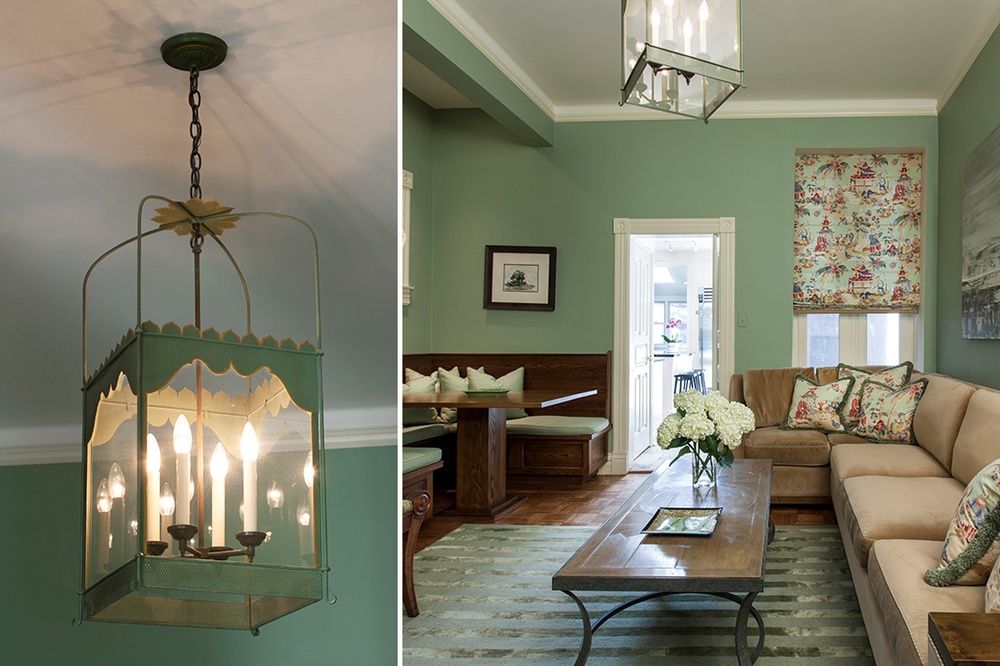
Gone are the days of neon walls screaming for attention. Nature-inspired color palettes are here to soothe the senses and bring the great outdoors inside. Think earthy tones like sage green, ocean blue, and warm terracotta. These calming shades create a peaceful haven that feels like a retreat from the chaos of life, all while ensuring your home remains a sanctuary of serenity.
Smart Home Technology and Energy Efficiency
Energy Management Systems
Energy management systems are the brainiacs of the smart home world, helping you track and optimize energy consumption like a pro. With a few clicks (or voice commands if you’re the tech-savvy type), you can monitor everything from heating to lighting, ensuring that your energy usage—and your bills—stay in check. Plus, it adds a sprinkle of futuristic flair to your home that would make even the Jetsons jealous!
Smart Appliances and Their Eco-Impact
Smart appliances are quietly revolutionizing our kitchens and laundry rooms with their eco-conscious capabilities. Think refrigerators that know when you’re out of milk or washing machines that optimize water usage based on load size. These energy-efficient wonders not only save resources but also add convenience to your daily life—who knew being eco-friendly could feel this good?!
Automation for Resource Conservation
Automation is like having a personal assistant for your home’s energy needs, ensuring resources are used wisely. Smart thermostats adjust temperatures based on your schedule, while smart lighting systems turn off when you leave the room—like your home is saying, “I got this!” This seamless app integration allows you to conserve energy effortlessly, making you feel like a sustainable champion with minimal effort.
Minimalism and the Move Towards Less Consumption
The Philosophy of "Less is More"
The philosophy of "less is more" isn’t just a trendy catchphrase—it’s a lifestyle choice that champions simplicity and clarity. Minimalism in interior design focuses on decluttering, allowing you to appreciate the beauty of each piece you own. Freeing yourself from visual chaos not only creates a serene environment but also opens up space for gratitude and mindfulness (and maybe even a yoga mat or two).
Quality Over Quantity: Investment in Timeless Design
In a world of fast fashion and disposable everything, investing in quality over quantity has never been more important. Choosing timeless pieces that withstand the test of trends is a sustainable choice that tells Mother Nature you care. Plus, who doesn’t want a stunning, durable couch that can survive the wildest of family movie nights without losing its charm?
Decluttering for a Sustainable Home
Decluttering isn’t just about throwing stuff in the donation bin—it’s an act of self-care and a step towards a more sustainable lifestyle. By letting go of what you don’t need, you create a more functional, harmonious space. Plus, you’ll likely rediscover hidden treasures that spark joy (hello, vintage vase!). Embracing a clutter-free home is not just a design trend; it’s a lifestyle change that benefits you and the planet alike.
The Role of Local Artisans and Handcrafted Elements
Supporting Local Economies
By choosing local artisans, you're not just adorning your home with unique pieces; you're also throwing a lifebuoy to your local economy. When you buy handcrafted items, you’re investing in your community and contributing to the livelihoods of skilled makers. Plus, let’s face it—nothing beats the bragging rights of saying your coffee table was crafted by that charming neighbor who owns the woodshop on Main Street.
Unique Pieces with Storytelling Value
Handcrafted items come with a backstory that mass-produced pieces simply can't compete with. A chair shaped by the hands of a local artisan might have a tale of inspiration from their travels, or perhaps it’s made from wood sourced from a favorite old tree. These stories add a sprinkle of magic to your home décor, creating conversation starters that IKEA could only dream of.
The Environmental Benefits of Local Sourcing
Local sourcing reduces the carbon footprint associated with shipping goods across oceans. When you opt for locally made products, you're cutting down on the amount of gas-guzzling transport involved. Plus, local artisans often use sustainable materials and traditional techniques that are kinder to the Earth and your aesthetic sensibilities.
Circular Design Principles: Reducing Waste in Interiors
Designing for Longevity
In a world that seems to thrive on the next shiny thing, prioritizing longevity in design is the ultimate act of rebellion. It’s about creating pieces that not only last but also evolve with your style (because we all know that deep down, your tastes change as frequently as your Netflix binge-watching habits). Think timeless designs that don’t just survive the trend cycle but thrive in it.
Repairable and Adaptable Furniture
Say goodbye to the days of throwing out furniture at the first sign of wear and tear. Enter the era of repairable and adaptable designs! Furniture that can be easily fixed or transformed encourages a mindset of sustainability and innovation. Whether it’s a couch with replaceable covers or a table that can grow with your family size, these designs are smart investments for the future.
End-of-Life Solutions for Interior Products
Let’s face it; everything has an expiration date—even your beloved couch. Circular design principles emphasize not only the life of the product but also its afterlife. Sustainable options like recycling, upcycling, or donating ensure that your old items don’t end up in the landfill. It's about giving your products a second chance at life—because just like us, they deserve another go.
Health and Well-being: Designing for Mental and Physical Wellness
Impact of Space on Mental Health
Did you know that the way a space feels can significantly impact your mood? A cluttered, dark room can suck the joy out of even the sunniest personality (sorry, sunshine). Thoughtfully designed spaces can promote calm, creativity, and overall happiness, transforming your home into a sanctuary. It’s interior design with a purpose—because your mental health deserves more than just a splash of paint.
Air Quality and Natural Ventilation
Breathe easy, my friend! Good health starts with clean air, and that’s where natural ventilation swoops in like a superhero. Incorporating elements like operable windows, indoor plants, and proper air filtration into your design not only enhances aesthetics but also keeps your lungs happy. Who knew that a little fresh air could pack such a wellness punch?
Ergonomics and Comfort in Design
Gone are the days where style trumps comfort—it's time for a revolution! Ergonomically designed furniture that supports your body and enhances your daily activities is essential for a healthy lifestyle. Comfortable chairs, properly positioned desks, and supportive beds are not just a treat; they’re your body’s best friend, ensuring you can work, relax, and recharge without any unnecessary aches and pains.
The Impact of Consumer Awareness on Eco-Friendly Practices
Shifting Consumer Preferences
Consumers are waking up to the power of their purchasing decisions—no more blindly buying the latest trend! Educated shoppers are making conscious choices, favoring eco-friendly materials and sustainable companies over fleeting fads. This shift encourages brands to adapt, innovate, and prioritize sustainability, paving the way for a greener future. So, cheers to you for demanding better—your wallet and the planet will thank you!In conclusion, the future of eco-conscious interior design is bright and filled with opportunities for innovation and creativity. As designers and consumers alike embrace sustainable practices, we can expect to see a continued shift towards spaces that not only reflect personal style but also contribute positively to the environment and our well-being. By prioritizing sustainability in our design choices, we can create harmonious living environments that support both the planet and its inhabitants for generations to come.
Frequently Asked Questions
What are some examples of sustainable materials used in interior design?
Sustainable materials can include reclaimed wood, bamboo, recycled metal, and eco-friendly textiles such as organic cotton or hemp. These materials are often sourced responsibly and have a lower environmental impact compared to traditional options.
How does biophilic design benefit indoor spaces?
Biophilic design enhances indoor environments by incorporating natural elements, such as plants and natural light, which can improve air quality, reduce stress, and increase overall well-being. This connection to nature often leads to greater occupant satisfaction and productivity.
What is circular design in the context of interior design?
Circular design focuses on creating products that can be reused, repaired, or recycled, thereby minimizing waste and extending the lifecycle of materials. In interior design, this can manifest as furniture that is adaptable or easily disassembled for repurposing.
How can I make my home more eco-friendly without a complete renovation?
You can enhance your home’s eco-friendliness by making small changes, such as using energy-efficient lighting, incorporating plants, choosing sustainable decor, opting for low-VOC paints, and decluttering to promote minimalism. These adjustments can significantly reduce your environmental footprint.